
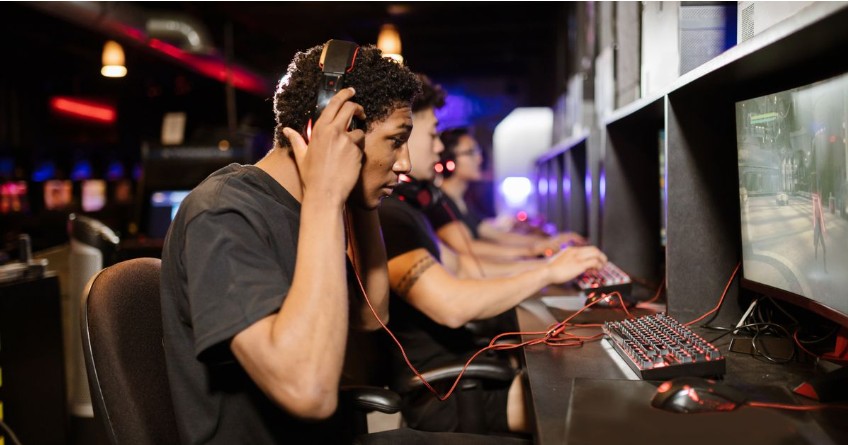
Why do so many people spend more time in online games than on almost any other form of digital entertainment? The answer is not just better graphics or faster internet. Online gaming has become a place where people play, chat, compete, create, and return daily for shared experiences that feel active instead of passive.
That shift matters because entertainment on the internet used to be mostly one-way. You watched a video, read a post, or listened to music. Online games changed that pattern by making participation the main event. Players are not just consuming content. They are shaping what happens moment to moment with other people.
As connections improved and devices became more capable, online gaming grew from a niche hobby into a major social activity. Its rise tells us a lot about how people want to spend time online: with interaction, instant feedback, and a sense that every session can be a little different.
Why Participation Beats Passive Viewing
Online gaming stands out because it asks people to do something, not just watch.
Action Creates Attention
When a person plays a game, attention stays high because choices matter. A missed move, a smart strategy, or quick teamwork can change the outcome right away. That active role keeps people focused longer than many other online activities, where it is easy to scroll away after a few seconds.
Feedback Feels Immediate
Games are built around response. You press a button, make a decision, and see the result instantly. That loop of action and response gives players a steady sense of momentum. It also helps explain why online gaming often feels more absorbing than media that moves at a fixed pace.
How Social Play Changed Everything
The social side of online gaming helped turn it into a daily habit for millions.
Friends Became Part Of The Experience
Playing with friends added a strong reason to come back. People were no longer showing up only for a challenge or a story. They were showing up for each other. Voice chat, team play, and shared goals made online games feel closer to a hangout than a solo pastime.
Communities Form Around Shared Routines
Regular events, seasonal updates, and cooperative tasks gave groups reasons to meet at the same time again and again. In many corners of the internet, players compare stats, share tips, and discuss match results on forums and community pages. You can even see that broader culture reflected in spaces linked through sites like gol888, where interest in online play connects with wider digital habits.
The Role Of Competition And Progress
Competition gave online gaming a strong long-term pull.
People Like Measuring Improvement
Many games track rank, skill, wins, and personal milestones. That makes progress visible. Even when players are not aiming to be the best, they often enjoy seeing proof that they are improving. Few entertainment formats offer that same mix of fun and measurable growth.
Challenge Creates Repeat Visits
A film ends the same way every time. A song stays the same on every listen. An online match, however, changes with every opponent and teammate. That unpredictability keeps the experience fresh. People return because there is always another round to play and another problem to solve.
Technology Made Access Easy
Better access helped online gaming reach far more people than before.
Fast Connections Removed Friction
Earlier online play could feel slow, unstable, and limited. As internet quality improved, playing with others became smoother and more reliable. That removed a major barrier and made online games feel normal instead of technical or frustrating.
More Devices Opened The Door
People can now join online games from different kinds of devices, which makes playing easier to fit into daily life. That wider access expanded the audience and changed expectations. For many users, online play is no longer a special activity planned in advance. It is something they can jump into quickly, then revisit later.
Why Gaming Communities Hold Attention So Well
Strong communities help explain why online gaming keeps people around for so long.
Identity Matters In Shared Spaces
Players often build a sense of identity through their play style, role on a team, or place in a group. That can make gaming feel personal in a way that passive media often does not. A person is not just choosing content. They are showing who they are through how they play and interact.
Conversation Extends Beyond The Match
Online gaming does not stop when a match ends. People talk about strategies, updates, highlights, and group plans between sessions. On many corners of the web, references to gaming culture appear alongside other forms of online entertainment, including pages such as togel123.com, showing how deeply game-related discussion has spread across internet life.
What Online Gaming Says About Internet Entertainment
Its rise shows that people often prefer entertainment that feels social, active, and responsive.
Interaction Is Now A Core Expectation
One of the biggest lessons from online gaming is that many internet users do not want to sit back all the time. They want to participate, react, and share the moment with others. Games met that need early and kept improving it.
The Space Keeps Growing Because It Fits Modern Habits
Online gaming works well with how people use the internet now: in short sessions, in groups, across devices, and with constant updates. That mix has helped it become one of the internet’s most active entertainment spaces, and its influence can be seen far beyond games themselves.
