
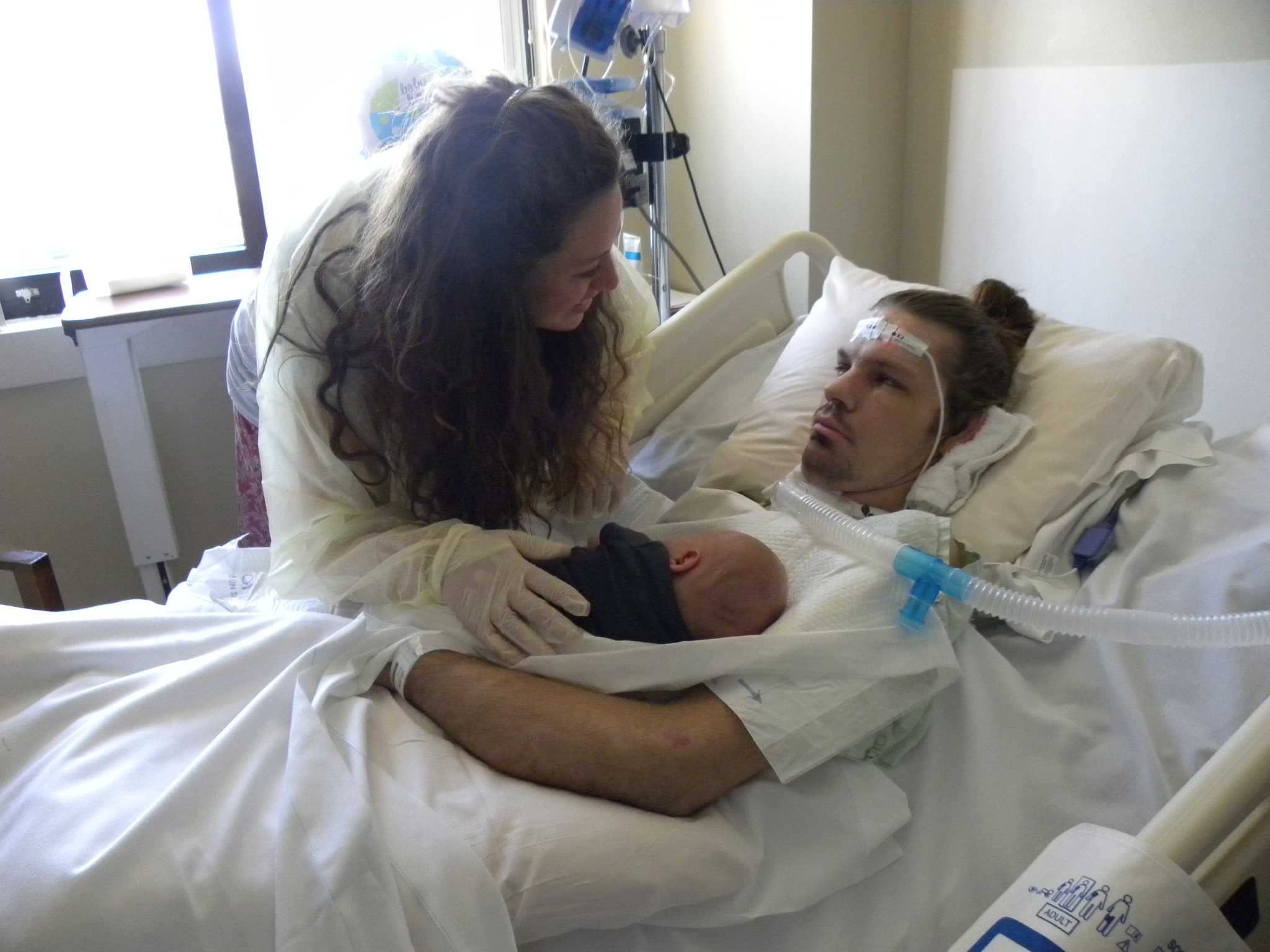
Navigating life after a traumatic brain injury can be challenging for Wisconsin families. You face emotional and practical hurdles daily. Support is crucial. Understanding your options empowers you. Access resources that ease this journey. Reach out to healthcare professionals, community groups, and legal experts. TBI changes how you live. You need information and care tailored to your situation. Health services, educational support, and financial aid provide relief. TBI attorneys in Wisconsin guide you through legal challenges and ensure your rights. They help secure compensation and services needed for recovery. Family support networks offer emotional relief and practical advice. Each path is unique. Recognizing available resources is key to reclaiming control and rebuilding lives. Trust in these systems can bring comfort and stability. Step by step, you can navigate this new world with confidence and hope. Empower yourself and your family by knowing where to turn when you need help.
Healthcare Support
Access to quality healthcare is vital after a traumatic brain injury. You need professionals who understand your condition and can offer specialized care. Wisconsin offers various healthcare facilities with dedicated TBI programs. These include rehabilitation centers and specialized hospitals. For instance, UW Health in Madison provides comprehensive care tailored to individuals recovering from TBI. Here, you find services focused on physical, cognitive, and emotional rehabilitation.
Educational Resources
Education plays a critical role in recovery. Children and adults with TBI can benefit from tailored educational programs. Schools in Wisconsin often have resources dedicated to students with special needs. You may explore Individualized Education Programs (IEP) that accommodate unique learning challenges. Additionally, adult education centers can offer training and support for job skills that suit varying cognitive abilities. These resources help you or your loved one regain independence and confidence in educational settings.
Legal Assistance
Navigating legal complexities after a TBI can be overwhelming. It’s essential to have legal experts on your side. TBI attorneys in Wisconsin specialize in these cases, ensuring you receive fair compensation. They understand the nuances of brain injury claims and help streamline the legal process. This support allows you to focus more on recovery without the added stress of legal battles.
Financial Aid
Medical expenses can be a significant burden. Fortunately, financial aid options exist to alleviate this stress. Programs such as Medicaid provide essential financial support. Additionally, the Wisconsin Department of Health Services offers assistance programs for eligible families. Understanding these options is crucial. They ensure you have access to the necessary care without financial strain.
Community Support Networks
Community plays a vital role in recovery. Support groups provide a safe space to share experiences and gain advice. These groups foster understanding and connection among families facing similar challenges. The Brain Injury Alliance of Wisconsin offers resources and support groups that connect you with others who understand your journey. Engaging with these networks can provide much-needed emotional support and practical guidance.
Comparing Local Resources
Choosing the right resources can feel overwhelming. Here’s a simple comparison table to help you understand some options available in Wisconsin:
| Resource | Type of Support | Contact Information |
|---|---|---|
| UW Health | Comprehensive healthcare and rehabilitation | www.uwhealth.org |
| Brain Injury Alliance of Wisconsin | Support groups and resources | www.biausa.org |
| Wisconsin Department of Health Services | Financial aid and health services | www.dhs.wisconsin.gov |
Conclusion
Adapting to life after a traumatic brain injury involves numerous challenges. Yet, with the right resources, you can find a path to healing and stability. Utilize healthcare services, educational programs, legal assistance, and community networks. Financial aid options further ease burdens, allowing you to focus on recovery. Remember, you are not alone. Assistance is available, and by taking advantage of these resources, you can help your family rebuild and thrive.
