
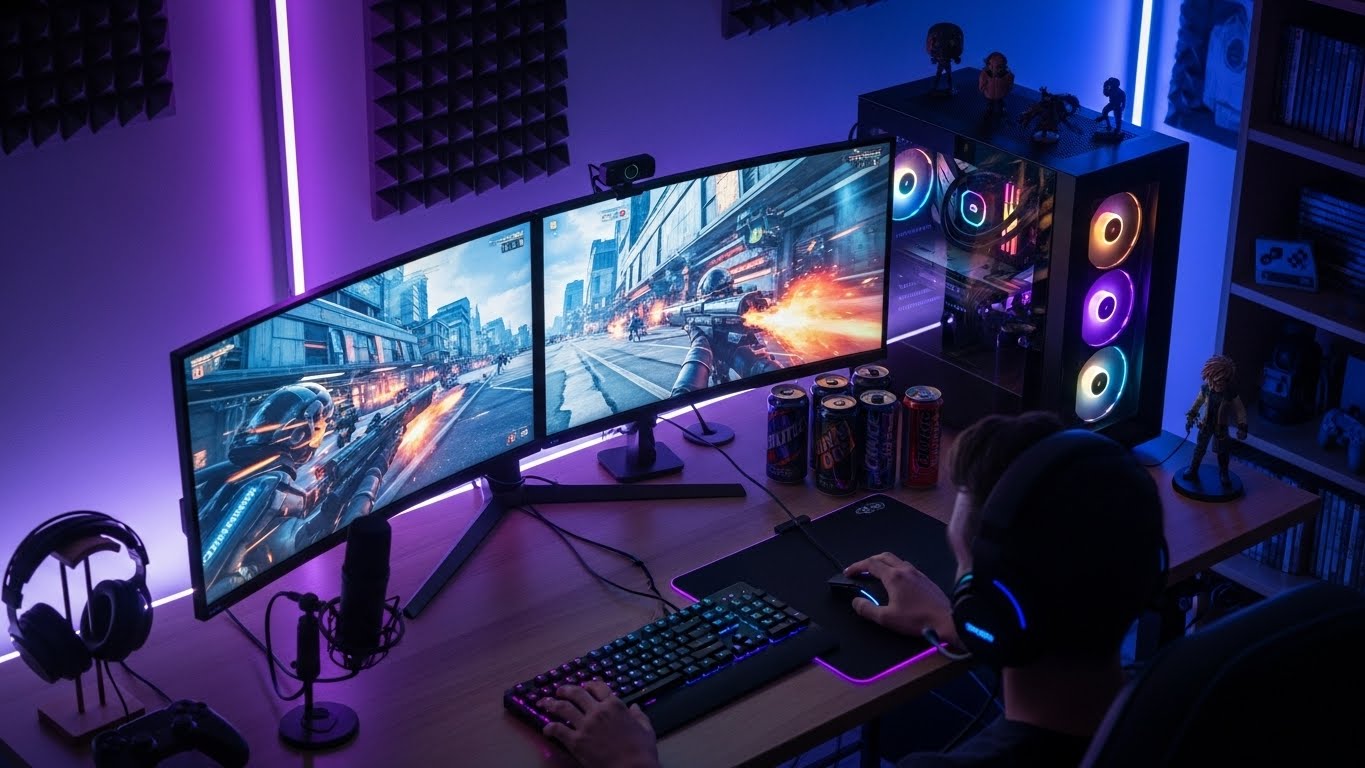
The world of interactive entertainment has undergone massive changes in the past few decades, and online hoki22.com are at the forefront of this revolution. From their humble beginnings as simple pixelated experiences, online games have grown into multi-billion-dollar industries that provide immersive, dynamic, and socially engaging experiences for millions of people worldwide. As technology continues to advance, it’s clear that online games are not just the future—they are already reshaping the way we interact with entertainment.
In this article, we’ll explore why online games are leading the charge in the evolution of interactive entertainment, and how they’re becoming the go-to medium for innovation, creativity, and global connectivity.
1. Immersive Worlds
One of the key reasons online games are the future of interactive entertainment is the level of immersion they offer. Modern games create expansive, detailed virtual worlds that players can explore, interact with, and even shape. Games like The Elder Scrolls Online, World of Warcraft, and Fortnite are perfect examples of how games are evolving from static experiences to dynamic, living worlds.
In online games, players are no longer confined to a linear storyline. They can explore vast landscapes, participate in events, complete quests, or simply interact with other players in real-time. The sense of immersion these games provide is unparalleled in any other form of entertainment, as the game world reacts to the player’s actions and evolves based on their decisions.
Why It Wins:
- Virtual orlds allow players to live out experiences in expansive, interactive environments.
- The constant evolution of these worlds keeps players engaged and invested.
- Games can cater to different interests, from exploration to competitive play, making them highly customizable.
2. Social Connectivity
Online games are rapidly becoming one of the most prominent forms of social interaction. Unlike traditional forms of media, such as TV or movies, online games allow people from all over the world to come together and interact in real-time. Multiplayer modes, team-based gameplay, and player-versus-player (PvP) environments are a staple of modern gaming, fostering collaboration and competition.
Platforms like Twitch and Discord have further fueled the social aspect of gaming, allowing players to stream their gameplay and interact with others. Communities are formed around games, where players share tips, host tournaments, and even build lasting friendships. This social experience makes online games a highly interactive form of entertainment, one that connects players on a personal level.
Why It Wins:
- Gaming offers real-time social interaction with people worldwide.
- Social platforms and streaming services amplify the community aspect of games.
- Building friendships, teams, and alliances is a fundamental part of online gaming experiences.
3. Endless Replayability
Unlike traditional entertainment mediums, such as movies and books, which offer finite content, online games are designed to keep players coming back. The concept of “endless replayability” is what makes online gaming so appealing. Games are frequently updated with new content, seasonal events, and expansion packs, which means there’s always something new to discover.
Games like League of Legends and Apex Legends thrive on competitive play and constantly evolving content. The introduction of new characters, skins, and mechanics ensures that players stay engaged and excited about the next big update. This sense of constant novelty makes online gaming one of the most engaging and sustainable forms of entertainment available.
Why It Wins:
- Regular updates and new content keep games fresh and exciting.
- Players are incentivized to return for seasonal events and rewards.
- Replayability fosters long-term engagement and community involvement.
4. Innovative Technology
The rapid advancement of technology is one of the driving forces behind the rise of online gaming. Virtual reality (VR), augmented reality (AR), and cloud gaming are just a few examples of how technology is enhancing the online gaming experience.
VR and AR, in particular, are pushing the boundaries of immersion in gaming. Players can step into the game world like never before, whether it’s by wearing a VR headset to experience a fully immersive first-person game or interacting with digital elements overlaid onto the real world via AR. These technologies are only in their infancy, but they show immense potential for making online games even more interactive and engaging.
Additionally, cloud gaming services like Google Stadia, Xbox Cloud Gaming, and Nvidia GeForce Now are changing the way games are accessed. Players no longer need powerful gaming hardware; they can stream high-quality games directly from the cloud, making gaming more accessible than ever before.
Why It Wins:
- Emerging technologies like VR and AR make gaming more immersive than traditional media.
- Cloud gaming makes high-quality gaming accessible to a wider audience.
- Continuous innovation in gaming technology expands the potential of online games.
5. User-Generated Content
Another exciting aspect of online gaming is the role of user-generated content (UGC). Many online games empower players to create their own content, from custom maps and mods to entire game modes. Games like Minecraft, Roblox, and Super Mario Maker provide platforms where players can design, share, and play content created by other users.
UGC not only extends the lifespan of a game but also allows players to express their creativity. For developers, it’s a way to engage the community and allow them to contribute to the game’s world. It also opens the door for new ideas and gameplay styles, as users experiment with new mechanics and narratives that developers may not have thought of themselves.
Why It Wins:
- UGC adds endless variety and creativity to games, enriching the player experience.
- It creates a deeper connection between players and the game.
- Developers benefit from the innovation and passion of the community.
6. Monetization and Game Economy
Online games have pioneered new methods of monetization, creating economies that rival those of traditional industries. Many online games offer free-to-play models, where players can download and enjoy the game at no cost, but have the option to purchase in-game items, cosmetics, and season passes.
Games like Fortnite and Valorant generate significant revenue through in-game purchases and microtransactions. These purchases allow players to personalize their characters, gain access to exclusive content, or unlock new gameplay features. The success of these models has influenced other entertainment sectors, showing that interactive, digital environments can be monetized in ways that benefit both players and developers.
The in-game economy also includes player-driven markets, where players trade, sell, or craft virtual items. These virtual economies can have a real-world financial impact, with rare in-game items sometimes fetching real money in secondary markets.
Why It Wins:
- Free-to-play models with in-game purchases make games more accessible while generating revenue.
- In-game economies create deeper engagement through trading, crafting, and customization.
- The monetization of gaming has become a highly profitable business model.
7. Esports and Competitive Gaming
Esports has become a massive part of the online gaming landscape, with professional players, coaches, analysts, and even commentators making it a multi-billion-dollar industry. Competitive gaming offers players a chance to turn their passion into a career while providing fans with thrilling entertainment.
Esports tournaments like The International (Dota 2), League of Legends World Championship, and Fortnite World Cup attract millions of viewers worldwide, showcasing the level of competition and skill required to succeed. Online games have created a legitimate platform for professional gaming, further driving the popularity and legitimacy of games as a form of entertainment.
Why It Wins:
- Esports provides a career path for top players and a form of entertainment for millions.
- Global competitions bring gamers together and elevate gaming to a professional sport.
- The rise of streaming platforms has further boosted the popularity of competitive gaming.
Conclusion: The Future Is Interactive
Online roulette online are no longer just a hobby—they are a dynamic, evolving form of interactive entertainment that has captured the attention of millions. From immersive worlds and innovative technology to the rise of esports and user-generated content, online games are redefining the entertainment industry.
As the technology behind online games continues to improve, the potential for innovation is limitless. Whether it’s through VR, AR, cloud gaming, or esports, online games are not just the future—they are the present. The way we consume entertainment is changing, and online games are leading the charge in this transformation.
